As a trusted supplier of tertiary distribution boxes, I’ve witnessed firsthand the critical role these units play in electrical systems. Whether it’s in a commercial building, an industrial facility, or a residential complex, a well – functioning tertiary distribution box ensures the safe and efficient distribution of electrical power. In this blog, I’ll walk you through the process of upgrading a tertiary distribution box, sharing insights from my years of experience in the industry. Tertiary Distribution Box
Understanding the Tertiary Distribution Box
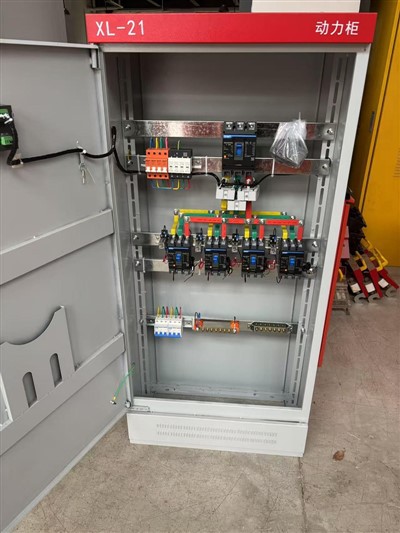
Before diving into the upgrade process, it’s essential to understand what a tertiary distribution box is and its function. A tertiary distribution box is the final stage in the electrical power distribution hierarchy. It receives electrical power from the secondary distribution network and further distributes it to individual loads, such as lighting fixtures, electrical appliances, and specialized equipment.
The main components of a tertiary distribution box include circuit breakers, fuses, busbars, and terminals. Circuit breakers are safety devices that automatically interrupt the electrical circuit when an overload or short – circuit occurs. Fuses, on the other hand, are sacrificial devices that melt and break the circuit in case of excessive current. Busbars are conductive bars that carry electrical current within the box, while terminals are used to connect wires to the various components.
Reasons for Upgrading
There are several reasons why you might need to upgrade a tertiary distribution box:
Aging Infrastructure
Over time, the components in a tertiary distribution box can wear out. Circuit breakers can lose their ability to trip accurately, fuses can become brittle, and busbars can corrode. An aging distribution box poses a significant safety risk, as it may fail to protect against electrical faults.
Increased Electrical Load
With the growth of technology, many buildings now require more electrical power. New equipment, such as high – powered computers, advanced manufacturing machinery, and energy – efficient lighting systems, can put additional strain on the existing distribution box. Upgrading can ensure that the box can handle the increased load without overheating or causing electrical failures.
Code Compliance
Electrical safety codes are constantly evolving to improve safety standards. Older distribution boxes may not meet the current code requirements. Upgrading can help you avoid potential fines and ensure the safety of your electrical system.
Pre – upgrade Assessment
Before starting the upgrade process, a thorough assessment of the existing tertiary distribution box is necessary.
Electrical Load Analysis
The first step is to conduct an electrical load analysis. This involves determining the total electrical load currently connected to the box and estimating any future load increases. You can use electrical meters to measure the current draw of individual circuits and equipment. By understanding the load requirements, you can select an appropriately sized distribution box for the upgrade.
Inspection of Existing Components
Carefully inspect the existing circuit breakers, fuses, busbars, and terminals. Look for signs of wear, corrosion, overheating, or damage. Check the ratings of the current components to ensure they are suitable for the load. If any components are found to be faulty or undersized, they should be replaced during the upgrade.
Physical Condition of the Box
Assess the physical condition of the distribution box itself. Check for any signs of mechanical damage, such as dents, cracks, or loose panels. Ensure that the box is properly grounded and that the enclosure provides adequate protection against environmental factors, such as dust, moisture, and physical impact.
Selecting the Right Tertiary Distribution Box
When selecting a new tertiary distribution box for the upgrade, consider the following factors:
Size and Capacity
The size of the distribution box should be based on the total electrical load and the number of circuits required. Make sure the box has enough space for all the components, including circuit breakers, fuses, and busbars. Consider future expansion needs and choose a box with some extra capacity.
Quality and Standards
Select a distribution box that meets recognized electrical standards, such as UL (Underwriters Laboratories) or IEC (International Electrotechnical Commission). High – quality boxes are made from durable materials and are designed to provide reliable performance over a long period.
Features
Look for features that enhance safety and convenience. For example, some distribution boxes come with built – in surge protection, which can protect your electrical equipment from voltage spikes. Others may have a clear front panel for easy visual inspection of the circuits.
The Upgrade Process
Once you have selected the new distribution box, it’s time to start the upgrade process.
Shut Down the Power
Before working on the electrical system, it’s crucial to shut down the power supply to the tertiary distribution box. Locate the main circuit breaker or switch that controls the power to the box and turn it off. Use a voltage tester to confirm that the power is off before proceeding.
Remove the Old Box
Carefully remove the cover of the old distribution box. Disconnect all the wires from the circuit breakers, fuses, and terminals. Label each wire clearly to ensure that you can reconnect them correctly in the new box. Remove the old box from its mounting location.
Install the New Box
Install the new distribution box in the same location as the old one. Make sure it is securely mounted and level. Connect the incoming power wires to the appropriate terminals on the new box. Follow the manufacturer’s instructions for wiring the circuit breakers and fuses.
Reconnect the Circuits
Reconnect the individual circuit wires to the corresponding circuit breakers or fuses in the new box. Double – check the wiring connections to ensure they are tight and secure.
Test the System
Once all the wiring is complete, turn on the main power supply. Use a voltage tester to check the voltage at the output terminals of the distribution box. Test each circuit by turning on the connected electrical equipment. If any problems are detected, shut down the power immediately and troubleshoot the issue.
Post – upgrade Maintenance
After the upgrade is complete, it’s important to establish a regular maintenance schedule for the tertiary distribution box.
Visual Inspections
Conduct regular visual inspections of the distribution box. Check for any signs of overheating, such as discolored components or a burning smell. Look for loose connections, corrosion, or damage to the enclosure.
Testing of Circuit Protection Devices
Periodically test the circuit breakers and fuses to ensure they are functioning correctly. You can use a test device to simulate an overload or short – circuit condition and verify that the devices trip as expected.
Cleaning
Keep the distribution box clean to prevent the accumulation of dust and dirt, which can cause overheating and affect the performance of the components. Use a clean, dry cloth to wipe the interior and exterior of the box.
Cost Considerations
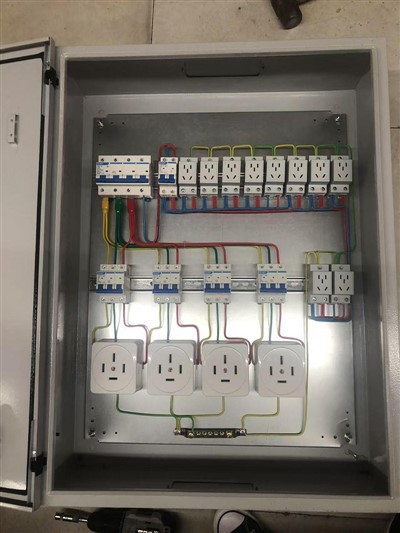
The cost of upgrading a tertiary distribution box can vary depending on several factors, such as the size and capacity of the box, the complexity of the wiring, and the cost of labor. However, it’s important to view the upgrade as an investment in the safety and reliability of your electrical system. A well – maintained and properly sized distribution box can prevent costly electrical failures and downtime in the long run.
Distribution Box If you’re in the process of considering an upgrade to your tertiary distribution box, I invite you to reach out to me. As a leading supplier in the field, I can offer high – quality distribution boxes tailored to your specific needs. I can also provide expert advice on the upgrade process, ensuring that the transition is smooth and hassle – free. Whether you’re dealing with an aging infrastructure or an increased electrical load, I’m here to help. Contact me to discuss your requirements and explore the possibilities of upgrading your tertiary distribution box.
References
- Electrical Installation Handbook, Schneider Electric
- National Electrical Code (NEC)
- UL Standards for Electrical Equipment
Anhui Nanxian Electric Co., Ltd.
With abundant experience, we are one of the most professional tertiary distribution box manufacturers and suppliers in China. We warmly welcome you to buy advanced tertiary distribution box for sale here and get quotation from our factory. All customized products are with high quality and low price.
Address: Factory Unit 03-2, Building 21, Feidong Yinfeng Industrial Park Co., Ltd., Northeast Corner of Manquan Road and Changle Road, Hefei Circular Economy Demonstration Park, Feidong County, Hefei City, Anhui Province.
E-mail: 541580567@qq.com
WebSite: https://www.nxelepower.com/
