Insulation rating is a crucial factor when it comes to aluminum foil ducts, especially for those of us in the industry. As an aluminum foil duct supplier, I’ve had numerous conversations with customers about this very topic. In this blog post, I’ll delve into what the insulation rating of an aluminum foil duct means, its importance, and how it impacts various applications. Aluminum Foil Duct
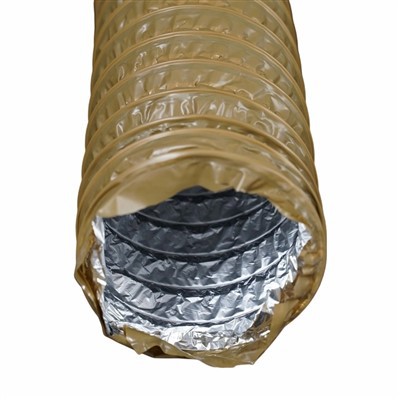
Understanding the Insulation Rating
The insulation rating of an aluminum foil duct refers to its ability to resist the transfer of heat. It is typically measured by a value known as the R – value. The R – value is a numerical representation of thermal resistance. The higher the R – value, the better the insulation, and the slower the heat transfer through the duct.
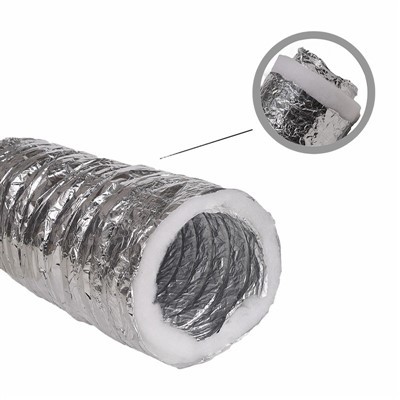
For aluminum foil ducts, the insulation rating is determined by several factors. One of the primary components is the insulation material used. Commonly, fiberglass, foam, or reflective insulation is used in aluminum foil ducts. Fiberglass insulation is widely used due to its excellent thermal performance and relatively low cost. It consists of fine glass fibers that trap air, reducing heat conduction.
Foam insulation, on the other hand, offers a high R – value per inch and is also moisture – resistant. Foam barriers are often made of materials like polyurethane or polystyrene. Reflective insulation, usually in the form of multiple layers of aluminum foil, works by reflecting radiant heat. This type of insulation is particularly effective in reducing heat transfer from the sun or other heat sources by reflecting infrared radiation.
Importance of the Insulation Rating
The insulation rating of an aluminum foil duct plays a vital role in several aspects, mainly in energy efficiency, comfort, and durability.
Energy Efficiency
In HVAC (Heating, Ventilation, and Air Conditioning) systems, which are the primary users of aluminum foil ducts, energy efficiency is a top priority. A duct with a high insulation rating can significantly reduce heat loss or gain during the transportation of heated or cooled air. This means that the HVAC system doesn’t have to work as hard to maintain the desired temperature. For example, in a commercial building, a well – insulated duct can lead to substantial savings on energy bills over time. According to the U.S. Department of Energy, proper duct insulation can reduce energy losses by 20% to 30%.
Comfort
Adequate insulation also contributes to indoor comfort. When ducts are well – insulated, they prevent the leakage of conditioned air, ensuring that the air reaches the rooms at the right temperature. This eliminates hot or cold spots in a building, creating a more consistent and comfortable environment for occupants. In a residential setting, this means that every room can stay at a pleasant temperature, regardless of its location in the house.
Durability
Insulation can also protect the aluminum foil duct itself. It acts as a barrier against temperature extremes, reducing stress on the duct material. Temperature fluctuations can cause the duct to expand and contract, leading to wear and tear over time. A good insulation rating helps to buffer these effects, extending the lifespan of the duct.
Rating Standards and Certification
In the United States, the insulation rating of building materials, including aluminum foil ducts, is regulated by the Environmental Protection Agency (EPA) and the Department of Energy (DOE). The EPA’s ENERGY STAR program sets strict guidelines for energy – efficient products, including ducts. Ducts that meet these standards are certified and can be labeled as ENERGY STAR – qualified.
In addition to ENERGY STAR, there are other industry standards such as those set by the North American Insulation Manufacturers Association (NAIMA). These standards ensure that the insulation used in ducts meets specific safety and performance requirements. When purchasing aluminum foil ducts, it’s important to look for products that are certified to these standards as it gives you assurance of their quality and performance.
Application – Specific Considerations
The required insulation rating of an aluminum foil duct can vary depending on the application.
Residential Buildings
In a typical residential home, the insulation rating needed for a duct depends on the climate zone. In colder regions, a higher R – value is required to prevent heat loss during the winter. For example, in Zone 7 and 8 (very cold climates), an R – value of 6 or higher is recommended for ducts located in unconditioned spaces like attics or crawl spaces. In milder climates, an R – value of 4 to 5 may be sufficient.
Commercial Buildings
Commercial buildings often have more complex HVAC systems and larger duct networks. For commercial kitchens, where there is a significant amount of heat generation, ducts need to have a high insulation rating to prevent the transfer of heat to other areas of the building. Similarly, in data centers, where maintaining a stable temperature is critical for the operation of servers, well – insulated ducts are essential. The insulation requirements for commercial buildings are often determined by local building codes and the specific needs of the business.
Our Product Offering as a Supplier
As an aluminum foil duct supplier, we understand the importance of offering a wide range of insulation ratings to meet the diverse needs of our customers. We offer ducts with R – values ranging from 2 to 8, allowing our customers to choose the appropriate insulation depending on their specific application.
Our fiberglass – insulated aluminum foil ducts are a popular choice due to their cost – effectiveness and excellent thermal performance. We use high – quality fiberglass materials that are fire – resistant and have a long lifespan. For customers who require a higher level of insulation, we also offer foam – insulated ducts. These ducts provide superior insulation in a smaller space, making them ideal for applications where space is limited.
All our products are manufactured to meet industry standards and are regularly tested to ensure their performance. We are committed to providing our customers with the best – quality aluminum foil ducts that not only meet but exceed their expectations.
Conclusion
The insulation rating of an aluminum foil duct is a critical factor that affects energy efficiency, comfort, and durability. Understanding the R – value and how it is determined can help you make an informed decision when choosing the right duct for your application. Whether you are a homeowner looking to improve the energy efficiency of your HVAC system or a commercial building owner with specific insulation needs, our company as an aluminum foil duct supplier can provide you with the right solution.
Aluminum Foil Duct If you have any questions about the insulation rating of our aluminum foil ducts or are interested in purchasing our products, please feel free to reach out to us. We look forward to discussing your requirements and helping you find the best duct solution for your project.
References
- U.S. Department of Energy. "Energy Saver: Duct Insulation."
- North American Insulation Manufacturers Association (NAIMA). "Insulation Standards and Guidelines."
- Environmental Protection Agency (EPA). "ENERGY STAR Program Requirements for Ducts."
Dongyang Hstube Co., Ltd.
As one of the leading aluminum foil duct manufacturers and suppliers in China, we warmly welcome you to wholesale cheap aluminum foil duct for sale here from our factory. If you have any enquiry about free sample, please feel free to email us. Quality products and reasonable price are available.
Address: NO.5 CHENGDONG ECOLOGICAL INDUSTRIAL ZONE, DONGYANG, ZHEJIANG, CHINA.
E-mail: sales@hstube.com
WebSite: https://www.ductword.com/
