Hey there! As a supplier of MPPT controllers, I get asked a ton about the difference between high – power and low – power MPPT controllers. Well, let’s dig into it right away. Mppt Controller
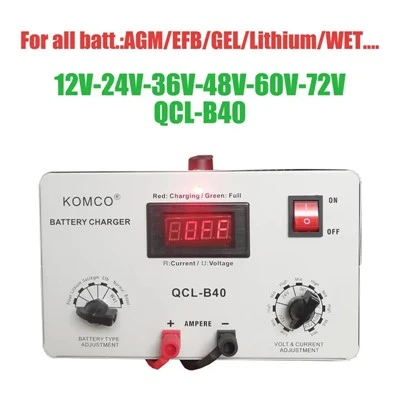
First off, let’s talk about what an MPPT controller is. MPPT stands for Maximum Power Point Tracking. In simple terms, it’s a device that helps your solar panels work at their best. It adjusts the electrical operating point of the solar panel array to make sure you’re getting the maximum amount of power possible from the sun.
What is a Low – Power MPPT Controller?
Low – power MPPT controllers are usually designed for small – scale solar setups. Think about those small DIY solar projects, like powering a shed, a small cabin in the woods, or maybe a solar – powered water feature in your backyard. These controllers typically have a power rating of less than 1000 watts.
One of the main advantages of low – power MPPT controllers is their cost. They’re relatively cheap to buy, which makes them a great option for budget – conscious folks. You don’t have to break the bank to get started with solar energy if you’re using a low – power setup.
Another plus is their size. They’re small and compact, which means they’re easy to install and don’t take up a lot of space. If you’re working with limited room, like on a small rooftop or inside a small shed, a low – power MPPT controller is the way to go.
But there are some downsides too. Since they’re designed for small systems, they can’t handle a large amount of power. If you try to connect a big solar panel array to a low – power MPPT controller, it just won’t work properly. It can get overloaded, and you won’t be able to extract all the power from your panels.
What is a High – Power MPPT Controller?
On the other hand, high – power MPPT controllers are built for larger solar installations. This could be a commercial solar power plant, a big residential solar system for a large house, or an industrial solar setup. These controllers usually have a power rating of several thousand watts or more.
The biggest advantage of high – power MPPT controllers is, of course, their power handling capacity. They can take in a large amount of power from a big solar panel array and convert it efficiently. This means you can generate a whole lot more electricity, which is great if you have high energy demands.
High – power MPPT controllers also often come with more advanced features. They might have better monitoring and control options, which allow you to keep a close eye on your solar system’s performance. You can track things like power output, battery charging status, and system efficiency in real – time.
However, high – power MPPT controllers come with a higher price tag. They’re more expensive to buy, and the installation can also be more complex. You might need a professional electrician to handle the installation, which adds to the overall cost. And since they’re bigger, they need more space for installation.
Performance and Efficiency
When it comes to performance, high – power MPPT controllers generally have an edge. They use more advanced algorithms to track the maximum power point of the solar panels more accurately. This means they can extract more power from the panels, especially in changing weather conditions.
Low – power MPPT controllers, while they do a decent job for small systems, might not be as efficient in tracking the maximum power point. Their algorithms are usually simpler, and they might not be able to adapt as quickly to changes in sunlight intensity or temperature.
In terms of efficiency, high – power MPPT controllers can have an efficiency rating of over 95%. This means that they can convert a large percentage of the incoming solar power into usable electricity. Low – power MPPT controllers usually have lower efficiency ratings, typically in the range of 90 – 93%.
Compatibility with Solar Panels and Batteries
High – power MPPT controllers are designed to work with large solar panel arrays. They can handle high – voltage and high – current inputs from multiple panels connected in series or parallel. They’re also better suited for charging large battery banks, which are often used in commercial and industrial solar systems.
Low – power MPPT controllers, on the other hand, are more compatible with small solar panel setups. They’re designed to work with lower – voltage and lower – current inputs. They can charge small batteries, like those used in small – scale solar projects, but they won’t be able to handle large battery banks.
Durability and Lifespan
High – power MPPT controllers are built to last. They’re often made with high – quality components that can withstand the rigors of large – scale solar operations. They’re designed to work in harsh environmental conditions, like high temperatures and high humidity. They usually come with a longer warranty period, which is a sign of the manufacturer’s confidence in their product.
Low – power MPPT controllers, while they can also be durable, might not be built to the same high standards as high – power ones. They’re more likely to be affected by environmental factors, and their lifespan might be a bit shorter.
Which One Should You Choose?
The choice between a high – power and low – power MPPT controller depends on your specific needs. If you’re just starting out with a small solar project and you’re on a tight budget, a low – power MPPT controller is a great option. It’s affordable, easy to install, and will do the job for your small setup.
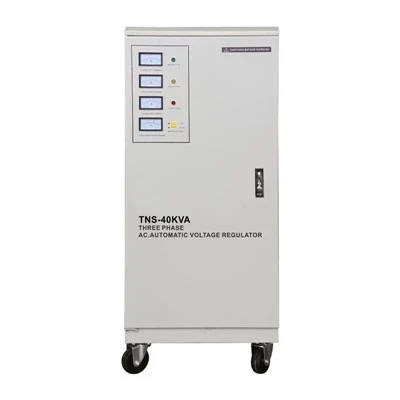
But if you have a large solar installation, whether it’s for your home or for a business, you’ll definitely need a high – power MPPT controller. It will provide better performance, higher efficiency, and the ability to handle a large amount of power.
Solar Inverter As an MPPT controller supplier, I’m here to help you make the right choice. If you’re not sure which type of controller is best for your solar system, just reach out to me. I can provide you with more detailed information, answer all your questions, and even help you with the installation process. Whether you’re a DIY enthusiast or a professional solar installer, I’ve got the products and expertise to meet your needs. So, if you’re thinking about buying an MPPT controller, let’s have a chat and see how we can work together to get the most out of your solar energy system.
References
- "Solar Power Systems Design and Installation Handbook"
- "MPPT Controller Technology: Principles and Applications"
- Industry whitepapers on solar energy and MPPT controllers
Huizhou Qiangfeng Power Technology Co., Ltd.
Huizhou Qiangfeng Power Technology Co., Ltd. is one of the most professional mppt controller manufacturers and suppliers in China, featured by quality products and good service. We warmly welcome you to buy customized mppt controller made in China here from our factory. If you have any enquiry about quotation and free sample, please feel free to email us.
Address: No. 28, Hu’ao Avenue, Shiwan Town, Boluo County, Huizhou City, Guangdong Province
E-mail: Komco@Jinlidianqi.cn
WebSite: https://www.autobatterychargers.com/
