As a supplier deeply entrenched in the elastic waist band industry, I’ve encountered numerous inquiries regarding the reparability of these essential components. Elastic waist bands are ubiquitous, found in everything from casual wear to athletic gear and even medical garments. Their widespread use prompts a common question: Are elastic waist bands easy to repair? In this blog post, I’ll delve into the intricacies of elastic waist band repair, exploring the factors that influence ease of repair, common repair methods, and how our supply solutions can contribute to making the repair process more straightforward. Elastic Waist Band
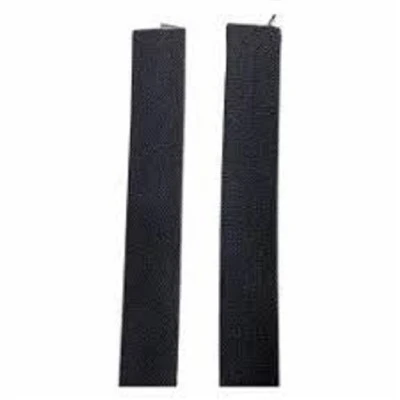
Understanding Elastic Waist Bands
Before we assess the reparability of elastic waist bands, it’s crucial to understand their composition and function. Elastic waist bands are typically made from a combination of rubber and fabric. The rubber provides the stretch and recovery properties, while the fabric offers durability and a comfortable touch against the skin. Different types of elastic waist bands have varying levels of stretch, thickness, and elasticity, which can impact their repair process.
Factors such as the quality of the rubber, the type of fabric used, and the manufacturing process all play a role in determining the long – term performance and reparability of an elastic waist band. Higher – quality elastic waist bands often use better – grade rubber and more durable fabrics, which may be more resistant to wear and tear and potentially easier to repair in the long run.
What Affects the Reparability of Elastic Waist Bands
1. Type of Damage
The nature of the damage is a primary determinant of repair difficulty. Minor issues like a loose end or a small tear can often be fixed with relative ease. For example, if the elastic has simply come loose from the stitching at one end, re – stitching it back into place can be a quick and straightforward fix. On the other hand, more severe damage, such as a large tear in the elastic itself or significant degradation of the rubber due to age or exposure to harsh chemicals, can be much more challenging to repair.
2. Accessibility of the Waist Band
The location of the elastic waist band within the garment also matters. If the waist band is easily accessible, like in a pair of drawstring – free sweatpants where the waistband can be easily pulled out, it’s much simpler to work on. However, in garments where the waist band is sewn into a complex design or hidden beneath multiple layers of fabric, accessing the damaged area can be time – consuming and may require more advanced sewing skills to disassemble and reassemble the garment properly.
3. Age and Degradation of the Elastic
Over time, elastic waist bands can lose their elasticity due to factors such as repeated stretching, exposure to heat, and contact with body oils. When the elastic has significantly degraded, it can be difficult to restore its original stretchiness. In some cases, it may be more practical to replace the entire elastic waist band rather than attempting a repair.
Common Repair Methods for Elastic Waist Bands
1. Stitching
Stitching is one of the most basic and common repair methods for elastic waist bands. If there is a loose end or a small tear in the fabric part of the waist band, a simple stitch can hold it together. For a loose end, you can use a needle and thread to sew the elastic back into place along the seam. When dealing with a small tear, you can carefully sew the edges of the tear together, making sure to use a thread that matches the color of the waist band for a more seamless appearance.
2. Replacing the Elastic
When the elastic part of the waist band has lost its elasticity or is severely damaged, replacing it is often the best solution. To do this, you first need to remove the old elastic. This can be done by cutting the stitches that hold the elastic in place. Once the old elastic is out, you can measure and cut a new piece of elastic to the appropriate length. Then, you thread the new elastic through the casing where the old one was located. Some people use a safety pin to make it easier to guide the elastic through. Finally, you sew the ends of the elastic together and secure it in the casing.
3. Using Elastic Adhesive
In some cases, especially for minor tears in the elastic itself, elastic adhesive can be a viable option. This type of adhesive is designed to bond rubber and fabric materials. You simply apply the adhesive to the damaged area, press the edges together firmly, and let it dry according to the manufacturer’s instructions. However, it’s important to note that the bond created by the adhesive may not be as strong as the original material, and the repair may not last as long as replacing the elastic.
How Our Supply Can Facilitate Repairs
As a supplier of elastic waist bands, we understand the importance of providing high – quality products that not only meet the needs of end – users but also make the repair process easier. Our elastic waist bands are made from premium materials, ensuring better durability and elasticity. This means that in the event of damage, the waist bands are more likely to withstand the repair process without further degradation.
We offer a wide range of elastic waist bands in different widths, thicknesses, and stretch levels. This variety allows repairers to find the perfect match for the original waist band in the garment. Whether it’s a narrow elastic for a child’s pair of shorts or a wide, heavy – duty elastic for industrial work pants, we have the right product.
In addition, our elastic waist bands come with clear information about their composition and care instructions. This helps repairers understand the material better and choose the most appropriate repair method. For example, if a particular type of elastic is more sensitive to heat or chemicals, the care instructions will alert the repairer to take extra precautions during the repair process.
Conclusion
In summary, the ease of repairing elastic waist bands depends on several factors, including the type of damage, the accessibility of the waist band, and the age and degradation of the elastic. While minor repairs such as stitching loose ends or small tears can be relatively easy, more significant damage may require more effort and skill, such as replacing the entire elastic.

At our supply business, we are committed to providing high – quality elastic waist bands that make the repair process as straightforward as possible. Our products are designed to be durable, and our wide range of options ensures that you can find the right replacement for any damaged waist band.
Elastic Waist Band If you’re in the market for elastic waist bands for your manufacturing needs or for repair purposes, we invite you to reach out to us for a procurement discussion. We’re eager to share our product knowledge and help you find the best elastic waist band solutions for your specific requirements.
References
- Textile Institute. Handbook of Elastic Textiles. Woodhead Publishing, 2019.
- Consumer Reports. "Apparel Care and Repair Guide". Consumer Reports Publications, 2021.
- American Home Economics Association. Garment Construction and Alteration Manual. American Home Economics Association Press, 2018.
Zhongshan Meiya Weaving Co., Ltd.
We are one of the most professional elastic waist band manufacturers and suppliers in China for nearly 30 years. With abundant experience, we warmly welcome you to wholesale bulk elastic waist band in stock here and get free sample from our factory. We also accept customized orders.
Address: No. 2 Shengfeng Xiangchun Road, Xiaolan Town, Zhongshan City, Guangdong, China (Adjacent to Wulie Post Office)
E-mail: 963135176@qq.com
WebSite: https://www.meiyaweaving.com/
