Hey there! I’m a supplier of the Auxiliary Machine Series, and I know how crucial it is for these machines to work flawlessly, especially when the going gets tough temperature – wise. In this blog, I’ll share some tips on how to ensure the normal operation of the Auxiliary Machine Series in extreme temperatures. Auxiliary Machine Series

Extreme Cold: Keeping Things Running
When it’s freezing cold outside, it’s a real challenge to keep the Auxiliary Machine Series up and running. Cold temperatures can cause a bunch of issues, like fluid thickening, battery problems, and lubrication issues.
Let’s start with the fluids in the machines. In cold weather, hydraulic fluids, coolants, and lubricants tend to thicken up. This can put extra strain on the pumps and other moving parts, which might lead to damage or a decrease in performance. To deal with this, we need to use fluids that are designed for cold – weather operation. These fluids have lower viscosity at low temperatures, so they can flow smoothly through the system.
For example, some of the Auxiliary Machine Series we supply are used in industries like construction in cold regions. The operators there need to switch to winter – grade hydraulic fluids. These fluids are formulated to remain fluid even in extremely cold conditions, ensuring that the hydraulic systems work as they should.
Another important aspect is the battery. Cold temperatures can reduce a battery’s capacity and make it harder to start the machine. To keep the battery in good shape, we can use a battery warmer. This is a simple and effective device that keeps the battery at a more optimal temperature. You can also insulate the battery compartment to reduce heat loss.
Lubrication is also key. In cold weather, normal lubricants might not be able to provide the necessary protection. We recommend using synthetic lubricants that are designed for low – temperature use. These lubricants can maintain a proper film thickness between moving parts, reducing friction and wear.
Extreme Heat: Beating the Heat
On the flip side, extreme heat can also cause major headaches for the Auxiliary Machine Series. High temperatures can lead to overheating, fluid degradation, and component expansion.
Overheating is one of the biggest concerns. The cooling systems in the machines need to work overtime to dissipate the excess heat. To ensure the cooling system works effectively, we should regularly check and maintain the radiator, coolant levels, and fans. Make sure the radiator fins are clean and not clogged with dirt or debris. A clogged radiator can reduce the cooling efficiency and cause the machine to overheat.
For the coolant, it’s important to use the right type and keep it at the correct level. The coolant not only helps in heat transfer but also protects the engine from corrosion. We should also pay attention to the coolant’s condition and replace it as recommended by the manufacturer.
Fluid degradation is another issue in hot weather. High temperatures can break down hydraulic fluids, lubricants, and engine oils more quickly. This can lead to a decrease in performance and an increase in wear and tear. To prevent this, we need to use high – quality, heat – resistant fluids. Also, more frequent fluid changes might be necessary in extremely hot conditions.
Component expansion is also a concern. Metals and other materials in the machines expand when they get hot. This can cause misalignments and increased stress on parts. To minimize the impact of component expansion, we need to use materials that have a low coefficient of thermal expansion and design the machines with proper clearances.
Monitoring and Maintenance
No matter if it’s cold or hot, regular monitoring and maintenance are essential for the normal operation of the Auxiliary Machine Series.
We should use sensors to monitor the temperature, pressure, and other key parameters of the machines. This way, we can detect any potential issues early on and take corrective actions before they turn into major problems. For example, if a sensor shows that the temperature of a hydraulic system is rising too fast, we can stop the machine and check for problems, like a blockage in the coolant line.
Maintenance schedules should be adjusted according to the operating conditions. In extreme temperatures, more frequent inspections and maintenance are needed. We should check the belts, hoses, filters, and other components regularly for signs of wear, damage, or leakage.
Training is also important. Operators need to be educated about the special requirements of the machines in extreme temperatures. They should know how to perform basic maintenance tasks, like checking fluid levels and cleaning filters.
Adapting the Machines
In some cases, we might need to make some adaptations to the Auxiliary Machine Series to better handle extreme temperatures.
For cold – weather operation, we can install engine block heaters. These heaters warm up the engine coolant and oil, making it easier to start the engine in cold conditions. We can also add insulation to the machine’s enclosure to reduce heat loss.
In hot – weather environments, we can install additional cooling fans or improve the ventilation system. This helps to remove the excess heat more effectively.
We can also adjust the operating parameters of the machines. For example, in extreme heat, we might need to reduce the load on the machine to prevent overheating.
In conclusion, ensuring the normal operation of the Auxiliary Machine Series in extreme temperatures requires a combination of proper fluid selection, battery care, cooling system maintenance, regular monitoring, and sometimes, machine adaptations. By following these tips, we can keep the machines running smoothly and avoid costly breakdowns.
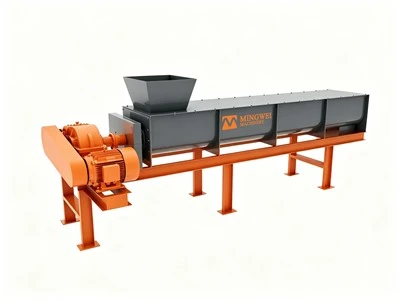
If you’re in the market for high – quality Auxiliary Machine Series that can handle extreme temperatures, or if you have any questions about maintaining these machines, I’d love to have a chat with you. Don’t hesitate to reach out for a procurement discussion. We’ve got the experience and products to meet your needs.
Crushing and Grinding Machines References:
- "Industrial Machinery Handbook"
- "Fluid Mechanics and Hydraulic Systems in Extreme Environments"
- "Maintenance Best Practices for Machinery in Harsh Conditions"
Henan Mingwei Machinery Equipment Co., Ltd.
As one of the most experienced auxiliary machine manufacturers in China, we have world-leading production equipment and strong manufacturing capabilities. Please rest assured to buy durable auxiliary machine for sale here from our factory. For price consultation, contact us.
Address: No.461 Qudong Jinsui Avenue, Hongqi District, Xinxiang City, Henan Province, China
E-mail: info@hnmwm.com
WebSite: https://www.hnmwmequip.com/
