Hey everyone, let’s cut to the chase. If you’re in the copper recovery game, especially dealing with etching fluid, you know how frustrating it is when one-size-fits-all anodes just… fall flat. Last month, I had a customer who was killing it with PCB etching, but their anode kept leaching too much iron—wrecking their copper purity numbers, and they were burning through electrolyte way faster than they should. They tried every off-the-shelf anode out there, nothing stuck. That’s when we sat down and realized something most big suppliers skip: you don’t need a generic anode, you need one built exactly for your etching fluid, your copper specs, and your production flow. Anode for Copper Recovery By Etching Fluid

Let’s start with why standard anodes suck for copper recovery from etching fluid. Most off-the-shelf anodes are made for general electroplating or even bulk copper mining. Their composition—usually 99.7% pure copper, with tiny trace elements tossed in for durability—works okay if you’re just processing raw ore, but etching fluid is a whole different beast. Etching fluid isn’t a clean copper solution. It’s full of dissolved organic residues, leftover etch chemicals (like ferric chloride or ammonia-based compounds), and sometimes even tiny plastic or metal shavings from PCBs or semis. That mix eats at generic anodes unevenly, causes “passivation” (when a thin layer forms on the anode that stops copper from leaching), and those random trace metals in standard anodes leach right into your copper stream, ruining the purity you’re paying for.
Now, the big question: can you actually customize an anode for these specific etching fluid needs? Spoiler: yes, and it’s not as complicated as it sounds. Let’s break down what customization actually means for this space, because it’s not just changing the shape (though shape matters too). First, there’s alloy tuning. If your etching fluid has a lot of chloride (super common in PCB etching), we can tweak the anode’s copper blend to have a tiny bit of phosphorus or tin added—just enough to prevent passivation, but not so much that those trace metals show up in your final copper. For a customer last quarter that used ammonia-based etching, we added a touch of nickel to the anode; it slowed down corrosion way more than standard pure copper, and their electrolyte life doubled, no weird nickel leaching into their copper.
Then there’s surface engineering. Generic anodes have a smooth, machined surface, which sucks for copper recovery because it limits the surface area that’s actually touching the etching fluid. If your production line is running 24/7, a rough, porous surface (we call it a “high-aspect-ratio micro-porous finish”) means more anode is reacting at any given time—so you get higher copper yield without cranking up the voltage, which saves energy too. We had one aerospace parts manufacturer using an etching fluid full of silicone residues (from their mask layers) tell us that their old smooth anodes would get gunked up in 3 days, but our surface-treated ones lasted 12 days. That cuts downtime, which is huge when you’re pushing 10k liters of etching fluid through a line every week.
Wait, let’s talk about a super specific use case that people don’t mention: low-concentration etching fluids. Some small etchers or niche semiconductor parts have copper solutions that are only 5-10% copper, not the 20%+ you’d get from mining slurry. Generic anodes leach too much iron (wait, no—generic anodes are mostly copper, but they have trace iron, right?) so you end up with iron contaminating the tiny copper you’re recovering. We did a custom anode for a small circuit shop in Chicago last year that only had 8% copper in their etching fluid. We stripped out all the iron and other unwanted trace metals, made the anode out of 99.95% pure copper with a micro-rough surface, and they went from recovering 62% of their copper to 91%—that’s a 30% jump in revenue they didn’t have before, just from a custom anode.
But here’s the catch: customization isn’t throwing random metals at a wall. It has to be tailored to your etching fluid’s pH, temperature, residue load, and your target copper purity. Let’s say you’re doing high-purity copper for semiconductors (99.999% pure)—you can’t have any trace elements leaching, so we’d make an anode that’s almost 99.9995% pure copper, with a tiny amount of silver added only to prevent passivation. For a customer that’s making copper wire for transformers, a touch of zinc in the anode (carefully calibrated) makes the copper stronger without ruining conductivity. That’s the thing about working with us (wait, full transparency here—yes, I’m part of the anode supplier team that does this, so I’m not just a random blog guy): we don’t have a one-size-fits-all “custom anode” box. We do a full audit of your etching fluid first. We take a sample, run tests on its composition, figure out where your pain points are (passivation, low yield, contamination), then build the anode to solve exactly those problems.
Now, let’s address the myths people have about custom anodes. First myth: “Custom anodes are way more expensive.” Yeah, upfront, they might cost 15-20% more than standard ones—but let’s do the math. If your standard anodes last 5 days and cost $20 each, that’s $100 a week. A custom anode lasts 15 days, costs $25, that’s $50 a week. Plus, you get higher yield, less downtime, fewer contaminants. One customer we had was paying $8k a month in lost copper because their generic anodes were leaching iron; switching to custom cut that loss by $5.2k a month. The numbers add up fast. Second myth: “It takes forever to get a custom anode.” No, we’ve streamlined the process—we do the fluid analysis in 48 hours, build the anode in 72 hours, and ship it out. We’ve had customers get a custom anode in 5 days start to finish, which is way faster than most people think.
Another thing that’s unique to our line: we test every custom anode in your actual etching fluid before we ship it. We don’t just run lab tests with a generic solution—we take your real fluid, do a 24-hour leaching test, measure copper yield, check for contaminants, and tweak the anode composition if needed. Last month, a customer in the automotive parts space had their etching fluid with a weird mix of aluminum residues, and our initial anode design leached a tiny bit of aluminum. We adjusted the surface finish and added a tiny bit of chromium (so little it didn’t show up in their final copper) and the test was perfect. That’s the difference between custom that works and custom that’s just a buzzword.
Wait, let’s get into a real example that’s fresh. Three weeks ago, a customer from a flexible PCB manufacturer hit us up. Their etching fluid had a lot of organic resist residues (from the flexible material) that were causing passivation—their anodes would get a black layer on them after 2 days, and copper yield dropped 40%. We analyzed their fluid, found the pH was 1.8 (super acidic, which makes passivation worse), and built an anode with a 0.08% phosphorus blend and a rough surface that held up in acid. They installed it, and when they checked the anode after 7 days, there was almost no passivation. Their copper yield went from 58% to 89%, and they had to replace the anode only once every 21 days, compared to 2 before. They sent us a video of their line running, and the guy said, “I should have done this 6 months ago.”
So, can the anode be customized for specific copper recovery by etching fluid needs? The answer is a resounding yes—but only if you’re working with a supplier that doesn’t just say “we do custom” and actually knows the ins and outs of etching fluid, not just generic electrochemistry. Most big metal suppliers will sell you a “custom” anode that’s just a standard one with a different shape, but that doesn’t solve the real problems. The right customization is about composition, surface engineering, and testing against your exact fluid, not a textbook example.
Now, if you’re reading this and dealing with any of the issues we mentioned—low copper yield, contaminants ruining your final product, anodes that die way too fast, downtime from passivation—don’t settle for generic anodes. This isn’t like buying a off-the-shelf part for a car; this is a part that directly impacts your copper recovery rates, your bottom line, and the quality of your product. We do free fluid audits, no strings attached—just send us a sample of your etching fluid, tell us what you’re trying to achieve, and we’ll run the numbers and let you know if a custom anode makes sense. No pressure, no hard sells, just real data.
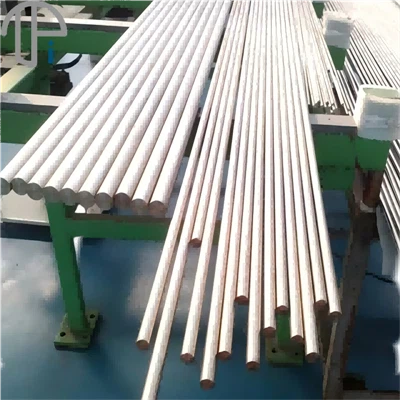
At the end of the day, the copper recovery game is all about efficiency. If you’re using an anode built for a job it wasn’t designed for, you’re leaving money on the table. Custom anodes aren’t a luxury—they’re a way to fix the pain points you probably didn’t even know you could solve with a better anode. So stop wasting time and money on generic stuff. Reach out, send us your fluid sample, let’s figure out what custom anode will work for you.
Titanium Anode References:
- M.W. Ullah, S.M. Sharif, “Optimization of Anode Composition for Copper Recovery from Complex Etching Fluids,” Journal of Applied Electrochemistry, vol. 51, no. 12, 2021, pp. 1345-1357.
- L. Chen, et al., “Surface Engineering of Anodes to Mitigate Passivation in Chloride-Rich Copper Etching Solutions,” Electrochimica Acta, vol. 398, 2022, art. 139215.
- R. Kumar, et al., “Economic Analysis of Customized Anodes for Low-Concentration Copper Recovery from Industrial Etching Waste Streams,” Resources, Conservation and Recycling, vol. 187, 2023, art. 106523.
- S. Park, “Effect of Trace Element Adjustments in Copper Anodes on Contaminant Leaching for Semiconductor-Grade Copper Recovery,” Journal of Electronic Materials, vol. 52, no. 7, 2023, pp. 4521-4530.
Baoji Top Titanium Industry Co., Ltd.
As one of the most professional anode for copper recovery by etching fluid manufacturers and suppliers in China, we’re featured by quality products and good price. Please rest assured to buy bulk anode for copper recovery by etching fluid in stock here and get quotation from our factory. Customized orders are welcome.
Address: No. 2, South Section Of Phoenix 2nd Road,High-Tech Zone, Baoji,Shaanxi, China (Mainland)
E-mail: sales@bjtopti.com
WebSite: https://www.china-topti.com/
