If you’ve ever run a corrugated box manufacturing operation, you know how tricky it can be to balance tight production timelines, quality output, and a lean budget—especially when you’re just scaling up or filling a gap after unexpected equipment downtime. Early on, I learned this the hard way: back in 2012, when my partner and I launched our small box shop in the Midwest, we tried sourcing a second-hand corrugated box machine from a random online marketplace, and ended up with a 10-year-old unit that broke down three days after delivery, costing us thousands in rush repairs and lost client orders. That mess is why, a few years later, we launched our own second-hand corrugated box machine supply business—so no one else has to waste time, money, and credibility on bad second-hand equipment. Over a decade of vetting, sourcing, and reselling used box machinery, I’ve mapped out exactly where to find reliable second-hand corrugated box machines, and how to skip the pitfalls that trip up new buyers. Corrugated Box Machine Second Hand
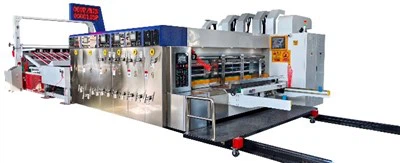
First, let’s cut through the noise: not all second-hand equipment sources are equal, especially when it comes to corrugated box machines, which have dozens of specialized parts (cutters, preheaters, slitter-scorers) that wear unevenly. The best starting point is industry-specific equipment auctions and dealerships focused exclusively on packaging and converting machinery. I know it’s tempting to scroll general classifieds or popular auction sites, but those platforms are flooded with unvetted sellers who hide red flags—like machines that were retired mid-production due to unaddressed mechanical failures, or units mismatched to regional electrical standards (a huge issue if you’re operating outside the country). Instead, focus on auctions hosted by established packaging trade groups, like the International Corrugated Packaging Association (ICPA) or local regional packaging associations. These auctions only feature equipment from vetted sellers—usually factories upgrading lines or closing permanently—and each lot comes with a documented service history, from annual maintenance checks to part replacements. Last year, we sourced a 2018 corrugated box flexo folder-gluer for a small printer in Ohio through an ICPA regional auction; the machine had been used for just three years, had all its service records, and we repaired a single worn pressure roller for less than $500 before delivery. That buyer still reaches out to us quarterly to ask about additional parts, which is exactly the kind of long-term trust we build by sticking to industry-specific platforms.
Another underrated spot for reliable second-hand corrugated box machines is independent, specialized used packaging machinery dealerships. These aren’t the generic used equipment sellers that dabble in everything from forklifts to printing presses—they’re teams that work exclusively with corrugated and paper converting equipment, with technicians on staff who know every part of a corrugated line inside and out. What sets these dealerships apart is their pre-sale inspection process: a good one will strip down every machine, test every function (from the preheater temperature consistency to the slitter’s blade alignment), replace worn parts that exceed a manufacturer’s tolerance limit, and even offer a limited 30- to 90-day warranty. Early last year, we worked with a dealership based in Texas to source a used rotary die-cutter for a startup box maker in Texas; the dealership had already inspected the machine, replaced the drive belt and all cutting blades, and adjusted the tensioners before it even hit our facility. That saved the startup six weeks of waiting for a custom-built machine and $12,000 compared to buying new, and they’ve since referred three other clients to us. The key here is to vet the dealership too: ask for proof of their technician certifications (many hold credentials from the Corrugated Packaging Machinery Association) and request references from recent clients who bought machines similar to the one you’re looking for.
If you’re willing to put in a bit more legwork and have specific, niche needs (like a machine built for large-format retail boxes or custom design work), the next stop is closed corrugated box factories and liquidation sales. This is where we’ve sourced some of our best, lowest-mileage machines, because many factories will retire entire lines at once when they’re downsizing or shifting production to overseas facilities. The trick here is to connect with these sales early, before the equipment hits the open market—often through industry networking events, like the National Corrugated Packaging Summit, or through local business brokers who specialize in manufacturing liquidations. Last year, we got a tip from a contact at a packaging trade show about a mid-sized box factory in Indiana that was closing its production line; we visited the site a week before the liquidation auction, inspected each machine ourselves, and negotiated a price for a 2017 full corrugated line that was being used for just two years. We fixed a small issue with the glue applicator and repainted a few worn frames, then resold it to a e-commerce packaging company that needed a line to handle growing order volumes—for $18,000 less than the price of a comparable new line. The downside here is that these sales often require you to move the machine yourself, which can add to costs, but the savings are worth it if you have a reliable logistics team on hand.
For small to medium box makers on a tight budget, or those looking for a specific machine like a small corrugator or a standalone slitter-scorer, online industry forums and groups are a great option—but only if you approach them carefully. I’m not talking about generic Facebook groups for used goods; I mean niche online communities for corrugated box manufacturers, like the LinkedIn group for Corrugated Box Production Professionals or the Reddit r/CorrugatedManufacturing group. These groups are populated by industry insiders, from factory owners to equipment technicians, so sellers are usually transparent about a machine’s history, and you can ask the community for a second opinion on any potential purchase. That said, you’ll want to avoid sellers who won’t share photos of the machine’s serial number (to verify its age and model), or who refuse to let you test run the unit before buying. A few months ago, a small box maker from Michigan reached out to us after finding a used slitter-scorer on a LinkedIn group; he’d arranged to buy it from a seller in Chicago, but when we asked him to ask for proof of service records, the seller backed out—turns out the machine had a faulty electrical panel that would’ve cost over $2,000 to repair. If you do buy from a forum seller, always arrange to have a third-party industry technician inspect the machine before paying a deposit—most small technician services charge a flat $150 to $200 for an on-site inspection, which is a tiny cost compared to the risk of buying a dud.
Now, I know what you’re thinking: “All these options sound great, but how do I make sure the machine is actually right for my business?” That’s where our 10 years of experience comes in. We’ve sold over 200 used corrugated box machines to businesses ranging from 2-person startups to mid-sized national packaging companies, and the biggest mistake we see buyers make is focusing only on price, not on matching the machine’s specs to their production needs. For example, a machine built for 200 tons of corrugated board per week is way too powerful and expensive for a small operation making 50 tons a week, and a smaller machine will slow down production for a large order that needs high output. We always encourage buyers to share their specific needs: how many boxes they make per day, the size of the boxes, the type of corrugated board they use (single-wall vs. double-wall), and their budget—and we help them narrow down the best machine, whether it’s a compact standalone unit for a new startup or a full line for a scaling business.
If you’re tired of sifting through unvetted listings, worried about hidden repair costs, or don’t have the time to inspect machines across the country, we’re here to help. Every machine we sell goes through a rigorous 15-point inspection, including testing all moving parts, replacing worn components that don’t meet manufacturer standards, and verifying compliance with local electrical and safety codes. We also offer flexible payment plans for qualifying buyers and post-delivery technical support, so you don’t have to figure out how to set up your new machine on your own. We know how stressful it is to grow a packaging business, and our goal is to give you reliable, affordable equipment so you can focus on what you do best: making quality boxes for your customers.
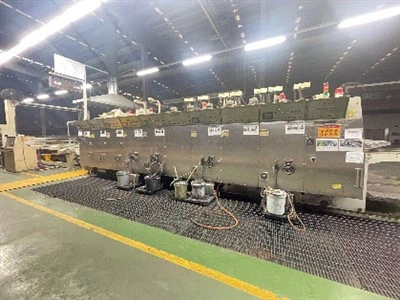
If you’re ready to talk about your second-hand corrugated box machine needs, or have questions about specs, maintenance, or pricing, we’d love to connect. Reach out at a time that works for you to walk through available units, share recent service records, and tailor a solution that fits your production goals and budget.
Carton Box Making Machine References:
Corrugated Packaging Machinery Association, Industry Standard for Used Equipment Inspection, 2021
International Corrugated Packaging Association, 2023 Used Machinery Sourcing Guide
National Association of Manufacturing liquidation and Equipment Remarketers, Best Practices for Vetted Equipment Sales, 2022
Guangzhou HS Machinery Co., Ltd.
We’re well-known as one of the leading corrugated box machine second hand manufacturers and suppliers in China. Please feel free to buy cheap corrugated box machine second hand for sale here from our factory. Quality products and low price are available.
Address: Xiaowu 1st Industrial Area, Xiaowu Village, Dongchong Town, Nansha, Guangzhou, China
E-mail: vipmachinery@126.com
WebSite: https://www.cartonboxsolutions.com/
