If you’ve ever stood in the cleaning aisle of a grocery store, staring at stacks of scouring pads, and thought, “Wait, are these things actually good for the planet?” you’re not alone. As a scouring pads supplier who’s spent the last eight years working with the materials that go into these everyday cleaning tools, I’ve fielded this question from restaurant owners, homeowners, and even fellow industry peers more times than I can count. For too long, scouring pads have been written off as disposable, eco-unfriendly clutter that clogs landfills and sits in oceans for centuries. But the truth isn’t black and white—there’s a lot more nuance here, and it’s time to break it down, especially for anyone who cares about both effective cleaning and reducing their environmental footprint. Scouring Pads
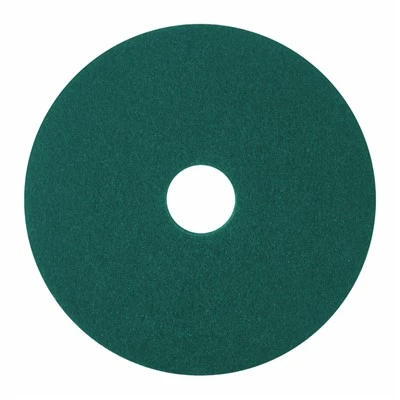
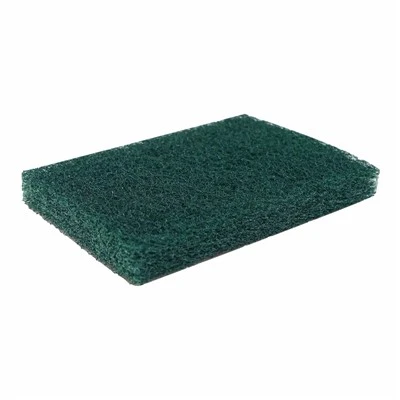
Let’s start with the basics: what are most scouring pads made of? The vast majority of mass-produced scouring pads fall into two main categories, and that’s where the answer to their biodegradability starts to diverge. The first is metal scouring pads—think steel wool, that coarse, scratchy stuff you pull out to tackle burnt-on grease on cast iron or tough baked-on food. The second is synthetic scouring pads, usually made from polyester, nylon, or a blend of plastics, paired with a scouring layer of polyethylene or polypropylene resin. Some cheaper, no-name brands even cut corners, adding trace amounts of PVC or other hard-to-break-down plastics to keep costs low.
Let’s tackle metal scouring pads first, since they’re the older, more traditional option. Metal is, in theory, infinitely recyclable, but the biodegradability question here is tricky. True biodegradability means a material can be broken down by living organisms—bacteria, fungi, microbes—into natural elements like water, carbon dioxide, and biomass, without leaving toxic residue. Steel wool, made of iron and carbon, does eventually rust, right? But rusting is a slow, chemical process, not biological breakdown, especially in landfills, where most materials are buried away from oxygen and moisture that speed up rusting. In a typical municipal landfill, a steel wool scouring pad can take decades, even centuries, to fully corrode. Even worse, those tiny metal shavings that break off during use? They don’t biodegrade either. They can end up in wastewater, making their way into rivers and oceans, where they pose a threat to small aquatic life, fish, and even birds that mistake them for food. So while metal is recyclable, it’s not biodegradable—and if it’s tossed in the trash instead of the recycling bin (which most consumers do, since metal scouring pads get greasy and hard to clean), it’s a long-term landfill problem.
Now, the synthetic scouring pads, which are the most popular in households and commercial kitchens these days, are far from biodegradable. Polyester, nylon, polypropylene—these are all petroleum-based plastics, and plastics don’t biodegrade. They photodegrade, meaning they break down into smaller and smaller microplastics when exposed to sunlight, but that process can take 20 to 500 years, depending on the plastic type and environmental conditions. Those microplastics don’t go away, either. They get eaten by plankton, which work their way up the food chain, eventually ending up in the fish we eat, the water we drink, and even the air we breathe. A 2022 study from the Ocean Conservancy found that scouring pads are one of the top 10 most commonly found plastic items in coastal cleanups, which makes sense—every time you rinse a synthetic scouring pad, tiny plastic fibers break loose, and over their lifetime of use (often just a week or two), they shed thousands of microplastics. As a supplier, I’ve tested dozens of synthetic blends over the years, and even the so-called “eco-friendly” synthetic pads that claim to be biodegradable? Most don’t hold up to real-world testing. Many are just oxo-biodegradable, which means they have additives that speed up photodegradation, but they don’t fully break down into natural materials—they just turn into tiny plastic bits that persist in the environment.
That said, there’s a new category of scouring pads on the market that’s actually changing the conversation: plant-based scouring pads, made from natural fibers like coir (coconut husk fiber), loofah, or even cotton, blended with small amounts of natural binders. Coir is a particularly interesting option here—it’s a byproduct of coconut farming, so it’s a renewable resource, and it’s biodegradable. I started testing coir scouring pads about five years ago after a few of my restaurant clients asked for a more sustainable alternative, and the results were promising. Coir is tough enough to tackle most cleaning tasks—burnt-on food, stove grates, dish soap scum—without scratching non-stick pans, and it biodegrades in as little as six months in a home compost bin or a commercial compost facility. Even better, if you use a coir pad and toss it in the regular trash, it’ll break down much faster than a plastic or metal pad, usually within a year or two, without leaving microplastics or toxic residue. The only catch? Plant-based scouring pads have a shorter lifespan than synthetic ones, usually 2-3 weeks of regular use, and they can fall apart if you leave them sitting in water for too long. They also aren’t as good for extremely tough, heavy-duty cleaning like removing rust or old, caked-on food, so they aren’t a one-size-fits-all solution.
Another point that’s often overlooked: the difference between biodegradability and compostability. A lot of brands label their pads as “biodegradable” when they only break down in industrial compost facilities, not home compost bins. Industrial composting operates at much higher temperatures (130-170°F) and has the right mix of microbes to break down even plant-based materials quickly, while home compost bins are cooler and slower, and often don’t get hot enough to break down some fibers. That means a pad labeled “biodegradable” might sit in your home compost for years without breaking down, defeating the purpose. As a supplier, I make sure to only offer scouring pads that meet home compost standards, because I know most consumers don’t have access to industrial composting.
Now, let’s talk about what this means for the average person, and for me as a supplier. For years, I watched as customers would come to me asking for “green” scouring pads, only to go for the cheapest option on the shelf that claimed to be eco-friendly, not realizing it was just another plastic product. That’s why I started investing in R&D back in 2019, working with a small lab in the Pacific Northwest to refine our coir-based scouring pads, and partnering with local farmers to source coir fibers instead of importing cheaper, lower-quality material. What I’ve learned is that there’s no perfect scouring pad—every option has pros and cons, and the best choice depends on what you’re cleaning, how often you use it, and what your end-of-life disposal options are.
If you’re tackling heavy-duty cleaning, like removing rust from a metal grill or caked-on food from a industrial oven, metal scouring pads are still the most effective. But to make them less harmful, always rinse them thoroughly after use, let them dry completely (moisture speeds up rust and bacteria growth), and never toss them in the trash—take them to a metal recycling center if your local council accepts scrap metal, or mail them back to specialized recycling programs that process metal cleaning tools. For everyday dishwashing, wiping down counters, and cleaning non-stick cookware, plant-based coir scouring pads are by far the more sustainable choice, since they break down naturally and don’t shed microplastics. Synthetic pads should be the last resort, and if you do use them, try to extend their lifespan by hand-washing them, squeezing out all excess water, and using them only for the task they’re designed for.
I also want to address a common misconception I hear a lot: “If it’s biodegradable, it’s automatically better for the environment.” That’s not always true. For example, a biodegradable scouring pad made of cotton that’s grown with synthetic pesticides and shipped thousands of miles has a much larger carbon footprint than a non-biodegradable metal pad that’s sourced locally and recycled. It’s all about the full life cycle of the product: where the materials come from, how it’s manufactured, how often it’s used, and how it’s disposed of. That’s why my company prioritizes local sourcing, uses solar power in our manufacturing facility, and offers a take-back program for both synthetic and metal scouring pads—we want to make it easy for our customers to dispose of their old pads properly, no matter what they’re made of.
Over the last few years, the conversation around single-use plastics has shifted a lot, and scouring pads are finally getting the attention they deserve. I’ve seen more and more brands stepping up to offer sustainable alternatives, more consumers asking questions at the checkout, and even some cities starting to collect and recycle cleaning tools that were previously considered trash. But there’s still a long way to go. The biggest challenge right now is awareness: most people don’t know that scouring pads are a major source of microplastic pollution, and even fewer know that there are better, more sustainable options available.
If you’re a homeowner looking to make small changes in your kitchen, start by swapping out your plastic scouring pads for a coir-based one. If you own a restaurant or a commercial cleaning company, talk to your supplier about moving away from synthetic metal blends and switching to plant-based options for daily cleaning, keeping heavy-duty metal pads only for tough jobs. And if you’re not sure what’s right for your needs, reach out to a supplier who’s transparent about their materials and life cycle, like ours.
At the end of the day, scouring pads don’t have to be a choice between effective cleaning and protecting the planet. The answer to “Are scouring pads biodegradable?” is: it depends on what they’re made of. But by making informed choices, asking questions, and supporting suppliers who prioritize sustainability, we can all cut down on the amount of plastic and metal ending up in landfills and oceans, one scouring pad at a time.
If you’re looking for high-quality, functional scouring pads that balance cleaning power with environmental responsibility, or you have questions about switching to more sustainable options for your home or business, we’re here to help. Reach out to us to discuss your specific needs and find the right solution for you.
Abrasive Pads References:
- Ocean Conservancy. (2022). Annual Cleanup Survey Report: Global Marine Debris Trends.
- U.S. Environmental Protection Agency. (2021). Biodegradability of Common Household Products in Landfills and Compost Systems.
- Journal of Cleaner Production. (2020). Life Cycle Assessment of Natural vs. Synthetic Scouring Pads for Domestic Cleaning Applications.
- National Resources Defense Council. (2021). Microplastic Pollution from Household Cleaning Products: Sources and Solutions.
- Coir Development Board (India). (2022). Properties and End-of-Life Benefits of Coconut Fiber-Based Cleaning Tools.
Guangzhou YION New Material Technology Co., Ltd.
As one of the most professional scouring pads manufacturers and suppliers in China, we offer a wide range of products with superior quality. Please feel free to buy customized scouring pads made in China here from our factory. Also, quotation is available.
Address: Room 110, Building 2, No. 2 Jinhuan Street, Nansha District, Guangzhou City, Guangdong Province, China.
E-mail: info@yiontech.cn
WebSite: https://www.yionpads.com/
