Hey there! As a supplier of suspension insulators, I often get asked about a super important property: the electrical strength of suspension insulators. So, I thought I’d sit down and have a chat with you all about what it is, why it matters, and how we ensure our insulators pack a punch in this department. Suspension Insulator

Let’s start with the basics. What the heck is electrical strength anyway? Well, in simple terms, electrical strength refers to the ability of a material (in our case, the suspension insulator) to withstand an electric field without breaking down. When an insulator breaks down, it means that it starts to conduct electricity instead of blocking it. And that’s a big no – no in the power grid game!
Suspension insulators are used all over the place in the transmission and distribution of electrical power. You’ll find them hanging from transmission towers, supporting high – voltage power lines. Their job is to keep the electricity flowing through the lines and not leaking into the tower or the ground. If an insulator’s electrical strength is not up to par, it can lead to a whole bunch of problems like flashovers, power outages, and even damage to the equipment.
There are a few factors that can affect the electrical strength of suspension insulators. One of the main ones is the material they’re made from. We use a variety of materials for our suspension insulators, like porcelain and composite polymers.
Porcelain has been a go – to material for insulators for a long time. It’s got some great properties. It’s dense, which means it has a relatively high electrical strength. It’s also resistant to heat and weathering. Over time, porcelain has proven to be a reliable option for withstanding high – voltage electrical fields. But it’s not without its downsides. Porcelain is heavy, which can make it a pain to install and transport. And if it gets damaged, say by a vandal throwing a rock at it, the entire insulator might have to be replaced.
On the other hand, composite polymers have been gaining popularity in recent years. These materials are lighter than porcelain, which makes them easier to handle. They also have excellent hydrophobic properties, which means they repel water. Water can be a real enemy of insulators because it can reduce their electrical strength. When water collects on an insulator’s surface, it can create a path for electricity to leak along. Composite polymers’ hydrophobic nature helps prevent this from happening.
But we can’t just rely on the material alone. The design of the suspension insulator also plays a crucial role in determining its electrical strength. The shape of the insulator affects how the electric field is distributed around it. We design our insulators with carefully crafted profiles to ensure that the electric field is evenly spread out. If the electric field is concentrated in one area, it can cause that part of the insulator to break down more easily.
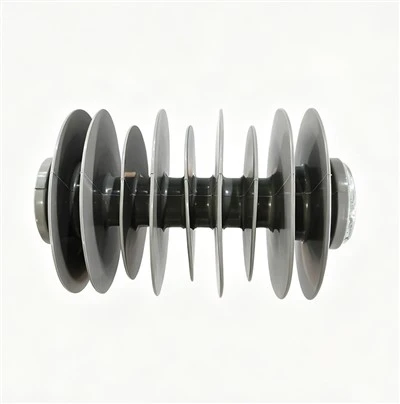
Another design factor is the number of sheds. Sheds are those umbrella – like structures on the insulator. They increase the surface distance that the electricity has to travel along the insulator’s surface. The longer this distance, the harder it is for the electricity to jump across and cause a flashover. So, by adding more sheds or designing them in a smart way, we can boost the electrical strength of the insulator.
Now, how do we test the electrical strength of our suspension insulators? Well, we’ve got a whole battery of tests in our lab. One of the most common tests is the power – frequency withstand test. In this test, we apply a high – voltage alternating current to the insulator for a set period of time. We keep an eye on the insulator to see if any breakdown occurs. If it can withstand the voltage without breaking down, it passes the test.
We also do impulse tests. These tests simulate the sudden surges of voltage that can happen during a lightning strike. Lightning can cause a huge spike in voltage, and our insulators need to be able to handle it. During an impulse test, we send a short, sharp pulse of high – voltage electricity through the insulator. If it can withstand the impulse without breaking down, we know it’s got what it takes to handle real – world lightning events.
As a suspension insulator supplier, we’re constantly working to improve the electrical strength of our products. We’re investing in research and development to come up with new materials and designs. We’re also working closely with our customers to understand their specific needs. Different power grids have different requirements, and we want to make sure we can provide the right insulators for every situation.
If you’re in the market for suspension insulators, you need to pay close attention to the electrical strength. It’s not something you can skimp on. A sub – par insulator can lead to costly power outages, equipment damage, and safety risks. That’s where we come in. We’ve got a range of suspension insulators with excellent electrical strength, backed by our rigorous testing and quality control.
Whether you’re building a new transmission line or upgrading an existing one, we’ve got the products and the expertise to meet your needs. Our team of experts is always ready to answer your questions and help you choose the right insulators for your project. So, if you’re interested in learning more about our suspension insulators or want to start a procurement discussion, don’t hesitate to reach out. We’re here to make sure your power grid runs smoothly and safely.
Fuse Cutout References:
- Electrical Insulation Handbook, McGraw – Hill
- IEEE Standards for Insulators in Power Systems
Gaodian Technology Co., Ltd.
Gaodian Technology Co., Ltd. is one of the most experienced suspension insulator manufacturers and suppliers in China. We warmly welcome you to buy customized suspension insulator made in China here from our factory. If you have any enquiry about cooperation, please feel free to email us.
Address: No.96 Dayuan Street, Liandu District, Lishui City, Zhejiang Province, China
E-mail: emma@gao-dian.com
WebSite: https://www.gao-dian.com/
