Yo! I’m a supplier in the low – voltage transformer game, and I’m stoked to chat about how these nifty little devices are rocking the smart grid scene. Low-voltage Transformer
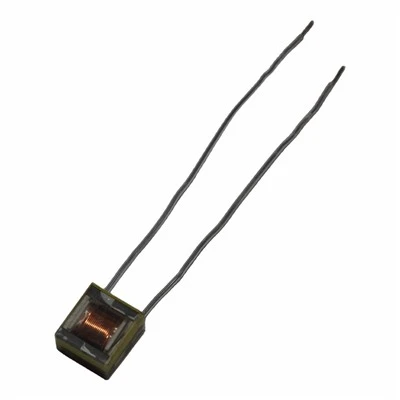
Let’s start with the basics. A low – voltage transformer is a device that changes the voltage level of an electrical current. In a smart grid, which is basically a super – advanced electrical network that uses digital technology to manage power more efficiently, low – voltage transformers play a bunch of key roles.
Voltage Regulation
One of the main jobs of low – voltage transformers in a smart grid is voltage regulation. You see, the voltage in an electrical grid can fluctuate for all sorts of reasons. Maybe there’s a sudden increase in power demand because a whole bunch of people turn on their air conditioners on a hot day. Or perhaps there’s an issue with the power generation side. Whatever the cause, these fluctuations can be a real pain in the butt for electrical devices.
Low – voltage transformers step in and help keep the voltage at a stable level. They can increase the voltage when it’s too low and decrease it when it’s too high. This is crucial because most electrical appliances are designed to work within a specific voltage range. If the voltage is too low, the device might not work properly or might not work at all. If it’s too high, it can damage the device.
For example, in a neighborhood with a smart grid, low – voltage transformers are installed at various points. They constantly monitor the incoming voltage and adjust it as needed. This way, all the homes and businesses in the area get a consistent and safe voltage supply.
Distribution of Power
Another important use of low – voltage transformers is in the distribution of power. In a smart grid, power is generated at large power plants and then sent over long distances through high – voltage transmission lines. But high – voltage electricity isn’t suitable for direct use in homes and small businesses.
That’s where low – voltage transformers come in. They take the high – voltage electricity from the transmission lines and step it down to a lower, safer voltage that can be used by consumers. This process is called power distribution.
Let’s say there’s a big power plant generating electricity at a very high voltage, like 110 kV or even higher. The electricity is sent through transmission lines to a sub – station in a city. At the sub – station, high – voltage transformers first step down the voltage to medium – voltage, say around 10 kV. Then, the medium – voltage electricity is sent to local distribution points, where low – voltage transformers further step it down to the standard voltage used in homes, which is usually 120 V or 230 V depending on the country.
This step – by – step process of voltage reduction helps in reducing power losses during transmission and makes the electricity safe for use in everyday applications.
Integration of Renewable Energy Sources
The smart grid is all about integrating renewable energy sources, like solar panels and wind turbines, into the existing electrical network. These renewable energy sources often generate electricity at different voltage levels and frequencies compared to the traditional power grid.
Low – voltage transformers are essential for making this integration happen smoothly. They can match the voltage and frequency of the electricity generated by renewable sources with the voltage and frequency of the main grid.
For instance, a solar panel system installed on a rooftop might generate electricity at a relatively low DC voltage. An inverter first converts this DC voltage to AC voltage, and then a low – voltage transformer can step up the voltage to match the grid voltage. This way, the excess electricity generated by the solar panels can be fed back into the grid.
Similarly, wind turbines also generate electricity at variable voltages and frequencies. Low – voltage transformers can be used to condition the electricity and make it compatible with the smart grid.
Load Management
In a smart grid, load management is a big deal. This means controlling and balancing the amount of power being used at different times and in different areas. Low – voltage transformers can play a role in this process.
By monitoring the power consumption at different points in the grid, the smart grid system can adjust the operation of low – voltage transformers. For example, during off – peak hours when the power demand is low, the transformers can be adjusted to reduce the voltage slightly without affecting the normal operation of most electrical devices. This helps in saving energy and reducing costs.
On the other hand, during peak hours when the demand is high, the transformers can ensure that enough power is supplied to meet the needs of all consumers. They can also help in preventing overloading of the grid by redistributing the power if necessary.
Fault Detection and Isolation
Low – voltage transformers can also be used for fault detection and isolation in a smart grid. Faults in an electrical grid can occur due to various reasons, such as short – circuits, equipment failures, or natural disasters.
These transformers are equipped with sensors that can detect abnormal changes in voltage, current, or temperature. When a fault is detected, the smart grid system can quickly isolate the affected area by tripping the appropriate breakers. This helps in preventing the fault from spreading to other parts of the grid and minimizing the impact on consumers.
For example, if there’s a short – circuit in a particular neighborhood, the sensors on the low – voltage transformers in that area can detect the sudden increase in current. The smart grid system can then isolate that neighborhood from the rest of the grid, allowing power to be restored to the unaffected areas as quickly as possible.
Energy Efficiency Monitoring
In addition to all the above functions, low – voltage transformers can also be used to monitor energy efficiency in a smart grid. They can measure the amount of power being consumed and the amount of power being lost during the transformation process.
This data can be used by grid operators to identify areas where energy efficiency can be improved. For example, if a particular transformer is found to be losing a significant amount of power, it might need to be replaced with a more efficient model.
Moreover, the data collected from low – voltage transformers can also be used to develop better energy management strategies. Grid operators can analyze the power consumption patterns at different times and in different areas to optimize the distribution of power and reduce overall energy consumption.
So, as you can see, low – voltage transformers are super important in a smart grid. They help in keeping the voltage stable, distributing power safely, integrating renewable energy, managing loads, detecting and isolating faults, and monitoring energy efficiency.
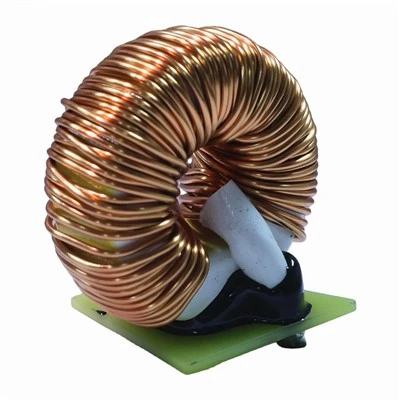
Toroidal Transformer If you’re in the market for high – quality low – voltage transformers, I’d love to have a chat with you. Whether you’re a utility company looking to upgrade your smart grid infrastructure or a business owner wanting to improve your energy efficiency, we’ve got the right solutions for you. Just reach out for a friendly chat and we can start discussing how our low – voltage transformers can meet your needs.
References
- Electric Power Systems: Analysis and Control by Claudio A. Cañizares
- Smart Grid: Fundamentals of Design and Analysis by Robert H. Lasseter
Dongguan Hensiron Electric Co., Ltd.
As one of the most professional low-voltage transformer suppliers in China, we have world-leading production equipment and strong manufacturing capabilities. Please feel free to buy high quality low-voltage transformer made in China here from our factory. Customized orders are welcome.
Address: Building 4, Xinxing Industrial Zone, Wangao Road, Wanjiang Street, Dongguan City, China
E-mail: jessica@dghensiron.com
WebSite: https://www.dghensiron.com/
