If you’ve ever picked up a water bottle, a pharmaceutical vial, a cosmetic jar, or even a small plastic automotive component, chances are it was made on an injection blowing machine. As someone who’s spent the last 12 years in the injection molding and blowing industry—first on the production floor troubleshooting machines, now as a supplier focused on building reliable, high-output equipment—I get asked this question all the time: what’s the blowing unit for, anyway? People new to manufacturing often mix up the entire injection blowing machine with just the core heating or molding parts, but the blowing unit is the unsung hero that turns a simple plastic preform into a functional, ready-to-use product. Without it, all that precision injection work you put into making the preform is just a half-finished shape sitting in a mold. Injection Blowing Machine

Let me break this down like I would for a new customer walking through our demo lab, no confusing jargon. First, start with the basics of how an injection blowing machine works in three simple stages: injection, where you inject molten plastic into a preform mold to make a thick, test-tube-shaped part with a threaded neck (perfect for screwing on a cap later); reheat, where you warm that preform just enough to make it flexible without melting it; and finally, the blow stage, where the blowing unit does its job. That final stage is where the magic happens, and it’s 100% dependent on the blowing unit to get right.
So what exactly is the blowing unit, structurally? It’s not just one part—it’s a whole sub-assembly tailored to different machine types, but at its core, it’s made up of a blow mold carousel or linear shuttle, high-pressure air delivery systems, clamping cylinders for the blow molds, and a control system that syncs every movement to the millisecond. On our machines, the blowing unit isn’t an afterthought we bolt on; it’s engineered to integrate seamlessly with the injection unit and reheat oven to eliminate waste, reduce cycle time, and ensure consistent part quality run after run.
Let’s get into the specific roles, because that’s what people really care about when they’re buying a machine. First, and most critically, it forms the final shape of the part. The blow molds in the unit are custom-machined to your exact product specs—whether that’s a 500ml water bottle with a contoured grip, a 100ml insulin vial with precise neck threads, or a 2L detergent jug with a textured label surface. The preform is loaded into these blow molds, and then the blowing unit pushes high-pressure, dry, filtered air (usually 20 to 40 bar, depending on the plastic type and part size) into the inside of the preform. Since the preform is still flexible from the reheat stage, that air pressure forces it to expand outward until it presses tight against the walls of the cool blow mold. That cools the plastic instantly, locking in every detail of the mold—from sharp edges to the brand name embossed on the side. I’ve seen cheap machines where the blowing unit has inconsistent air pressure, leading to bottles that are too thin on one side or have blurry text; that’s the difference between a reliable supplier and one that cuts corners.
Second, the blowing unit controls material distribution, which is make-or-break for part functionality. No one wants a water bottle that’s so thin at the base it leaks when you pick it up, or a cosmetic jar that’s too thick at the neck to screw on a cap. The blowing unit does this by adjusting air pressure timing and flow rate at different points in the expansion. For example, when we’re working with PET preforms for food packaging, our blowing unit has a valve system that ramps up pressure slowly at first to let the preform’s base expand evenly, then increases pressure gradually as the sides stretch. This prevents “wall thinning,” which is a common defect where sections of the plastic get so stretched they’re weak, prone to breaking, or unsafe for holding food or pharmaceuticals. I had a customer a few years ago who switched to a cheaper machine where the blowing unit couldn’t control material distribution—they were scrapping 15% of their production run because of inconsistent wall thickness, until they upgraded to our line with our precision blowing units. They cut scrap to less than 2% within three months.
Third, the blowing unit improves production efficiency and reduces operational waste. On rotary injection blowing machines, which are the most common for high-volume production, the blowing unit’s carousel moves from load stations to blow stations to unload stations at a consistent, repeatable speed. The control system syncs this movement to air delivery, so there’s no downtime between blowing cycles. On linear machines, which are great for smaller batch sizes or custom parts, the blowing unit’s shuttle system is fast enough to keep cycle times under 10 seconds for small parts, which means more parts per hour and lower energy use. What most people don’t realize is that bad blowing units waste a lot of energy too—if the air seals in the blow molds are worn or the pressure control is off, you’re wasting compressed air, which is one of the biggest operational costs for plastic manufacturers. Our blowing units use self-lubricating seals and closed-loop pressure controls that cut air waste by up to 12% compared to standard units, which adds up to thousands of dollars a year in utility savings.
Wait, I should also address a common misconception: some people think the blowing unit only works with PET, but that’s not true. We supply machines for HDPE, PP, and even specialty plastics used for medical devices, and the blowing unit is calibrated differently for each. For PP, which is more rigid than PET, we adjust the blow pressure timing to hold pressure a little longer to make sure the part sets correctly; for medical vials, we use oil-free air in the blowing unit to avoid contaminating the product, which is a non-negotiable for FDA compliance. I always tell customers that the blowing unit isn’t one-size-fits-all—if a supplier tries to sell you an injection blowing machine with a generic blowing unit for every plastic type, they’re not building a machine that will work for your specific products.
Another key role is ensuring part consistency across production runs. For manufacturers who run 24/7, 30 days a month, consistency is everything. One bad batch of parts can lead to product recalls, lost customers, or wasted raw material. The blowing unit’s control system (on our machines, it’s a Siemens-based system with real-time monitoring) tracks air pressure, temperature of the blow molds, and cycle time for every single part. If there’s a slight drop in air pressure because of a filter change or a seal wearing, the system alerts operators automatically, so they can fix the issue before a whole shift of bad parts is produced. I’ve had a pharmaceutical customer tell us that since upgrading to our machines, they haven’t had a single batch of vials rejected for blowing-related defects, which saved them over $200,000 in recall costs in the first year. That’s not just about parts—that’s about trust, and the blowing unit is the core of that reliability.
Now, let’s talk about what to look for when evaluating a blowing unit, because that’s what really matters when you’re choosing a machine supplier. First, pressure control accuracy. A good blowing unit should adjust pressure within 0.5 bar, not 2 or 3 bar like cheap units. Second, seal quality. The air seals in the blow molds and the air delivery lines need to be resistant to wear, because worn seals lead to inconsistent pressure and more downtime. We use polyurethane seals rated for 1 million cycles, so they last 2 to 3 times longer than standard seals. Third, integration with the rest of the machine. The blowing unit can’t work well if it’s not synced to the injection unit that makes the preform and the reheat oven. That’s why we test every machine in our demo lab before shipping—we run 10,000 part cycles to make sure the blowing unit works seamlessly with the rest of the system, not just on its own. Fourth, compliance. If you’re making food, medical, or pharmaceutical parts, the blowing unit has to meet industry standards for hygiene and material compatibility. We design all our blowing units to meet FDA and EU GMP standards, so our customers don’t have to worry about costly audits or reworks.
I know when you’re investing in an injection blowing machine, it’s a big decision. You’re looking at output rates, scrap rates, operational costs, and long-term reliability. The blowing unit is the part you might not notice until it’s not working right, but it’s the part that makes all the difference between a machine that runs smoothly for 5 years and one that’s down for repairs every other week. When I started in this industry, I worked on a machine where the blowing unit’s carousel would jam every week, causing us to miss delivery deadlines. That’s when I realized that the blowing unit isn’t just a component—it’s the heart of the machine, and that’s what we focus on building for our customers.
If you’re in the market for an injection blowing machine, whether you’re a small startup making custom cosmetic containers or a large packaging plant producing millions of water bottles a month, the blowing unit is worth asking specific questions about. Don’t just ask “what’s the output rate?”—ask about blow pressure accuracy, seal life, real-time monitoring features, and how the blowing unit integrates with the rest of the line. We’ve helped dozens of customers across different industries upgrade their machines by replacing underperforming blowing units, and most of them told us it was the best investment they made that year.
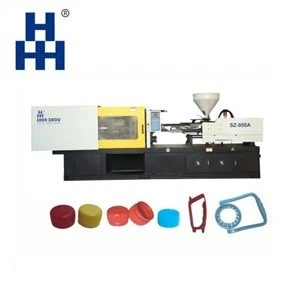
If you’re looking to cut production costs, reduce scrap, and produce consistent, high-quality parts, we’re here to help. We can run a test with your specific plastic material and part design in our demo lab to show you exactly what our blowing unit can do for your production line. Contact our team to learn more about how our injection blowing machines, engineered with precision blowing units, can meet your manufacturing needs.
Bottle Cap Injection Molding Machine References
- Rosato, D. V., & Rosato, M. G. (2004). Injection Blow Molding Handbook. Hanser Publications.
- The Society of Plastics Engineers (SPE). (2019). Injection Blow Molding Design Guide. SPE Press.
- Groover, M. P. (2020). Fundamentals of Modern Manufacturing: Materials, Processes, and Systems (7th ed.). John Wiley & Sons.
Shenzhou Machinery Co., Ltd.
As one of the most professional injection blowing machine manufacturers and suppliers in China, we’re featured by quality products and good price. Please feel free to buy advanced injection blowing machine made in China here from our factory. We also accept customized orders.
Address: Fenghuang Town, Zhangjiagang City, Jiangsu Province, P.R.China
E-mail: sale@shenzhoumac.com
WebSite: https://www.shen-zhoumachinery.com/
